Cutting dies are the backbone of your production floor. To get the most out of them, you need to know not just when to repair, but also who should be handling the repair. Done right, repairs can extend the life of your tooling and protect your bottom line. Done wrong, they can cause costly downtime. At Butler Brothers, we help customers make the right call. Here’s how we break it down:
When to Repair In-House
With an experienced die technician on site, many basic repairs can be completed quickly and effectively without leaving your plant. Examples include:
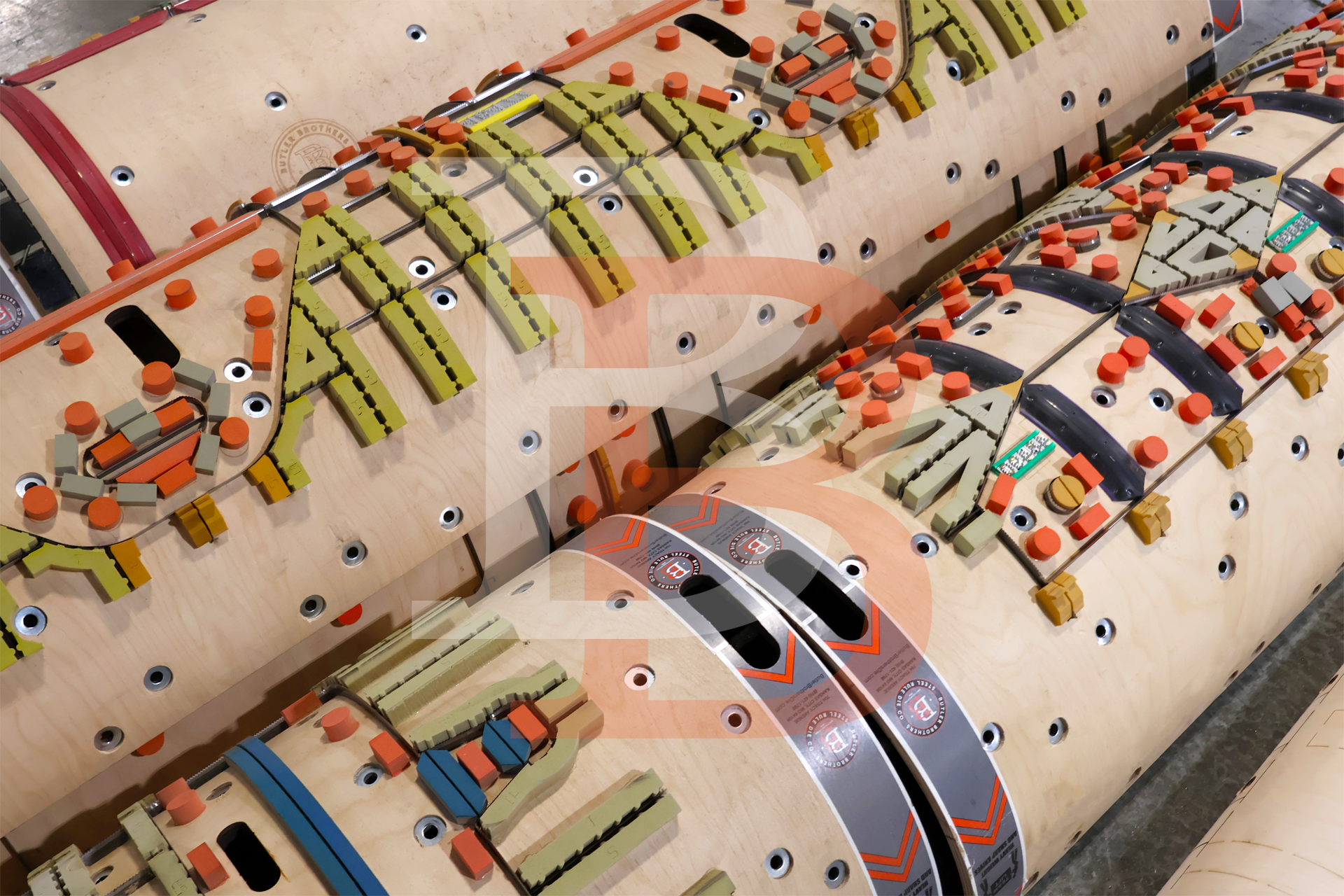
- Simple Knife Repairs – Replacing or resetting knives that have broken, chipped, or gone dull in straightforward areas.
- Rubber Repairs – Swapping or adjusting ejection rubber that has collapsed, cracked, or lost stripping power.
- Minor Adjustments – Small tweaks like washer changes, tape adjustments, or leveling fixes.
These in-house repairs can keep production moving, extend tool life, and reduce unnecessary downtime.
When to Send Dies Back to Your Supplier
Some repairs require the specialized equipment and precision expertise of your die maker. These include:
- Complex Knife Repairs – Intricate shapes, tight slots, or jobs that require special rule materials.
- Structural Issues – Warped bases, loose fasteners, or cracked boards.
- Critical or Repeat Jobs – High-value tooling that demands exact precision every time.
Sending dies back ensures that complex work is done to spec and eliminates the risk of compounding the problem with an incomplete repair.
Repair Rule vs. Repair Rubber
- Repair Rubber – Quick and often handled internally. A simple but effective way to restore stripping performance.
- Repair Rule – More complex, especially on specialty or high-precision jobs. This is often best left to your supplier unless it’s a straightforward knife that your in-house tech can handle with confidence.
How to Know It’s Time for Repair
Sometimes it can be challenging to know when to shut the machine down and send your tool off for repair work. The best way to truly know if a die is ready to be restored is by shutting down the machine and inspecting the die closely. However, sometimes stopping production and throughput is not an option so you can also watch for these signals:
- Inconsistent cuts or damages to the product
- Increased operator adjustments or machine settings
- Visible knife wear or damage on the die
- Rubber collapse or loss of ejection
Catching these early lets you repair proactively instead of reactively. If you continue to run a slightly damaged die at high speeds and pressures, it can lead to permanent damage which causes you to purchase a brand new die.
Maximizing Tool Life
A few practices make all the difference:
- Proactively schedule sharpening and repairs.
- Store dies carefully to prevent warping.
- Train operators and in-house techs to identify repair opportunities early.
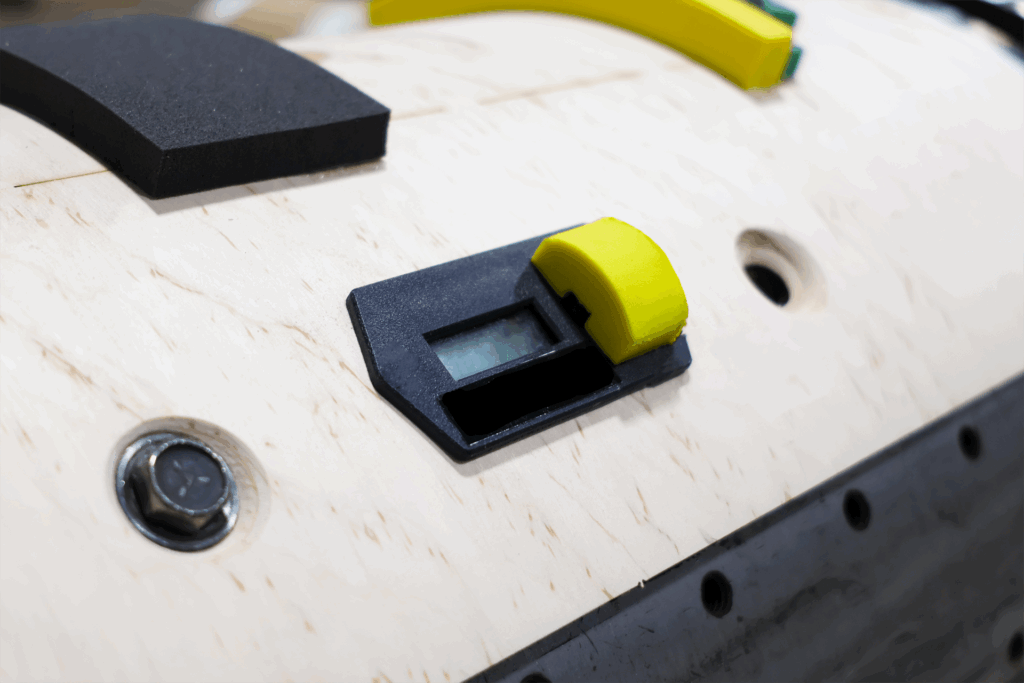
- Use impression counters to track die usage and anticipate needs.
The Butler Brothers Difference
At Butler Brothers, we know repairs aren’t just about fixing tools—they’re about protecting your production and your profit. We help customers balance in-house capabilities with supplier-level expertise so that every die gets the right repair at the right time.
When simple knife or rubber fixes can be done on your floor, we’ll empower your team. When complex work is required, we’ll take it from there. Together, that’s how we maximize die life and minimize downtime.
Call (816) 421-1798 or Click here to get a quote today!