Cutting dies are the backbone of packaging, printing, and converting industries. From folding cartons to corrugated boxes, Steel rule cutting dies are foundational to the packaging, printing, and converting industries. From folding cartons and corrugated boxes to specialty foam inserts and precision gaskets, these dies make it all possible—with speed, accuracy, and repeatability. But not all steel rule dies are built the same. Knowing how they work, what sets a good one apart, and how they fit into your production can mean the difference between pressroom chaos and smooth, consistent output.
What Is a Steel Rule Cutting Die?
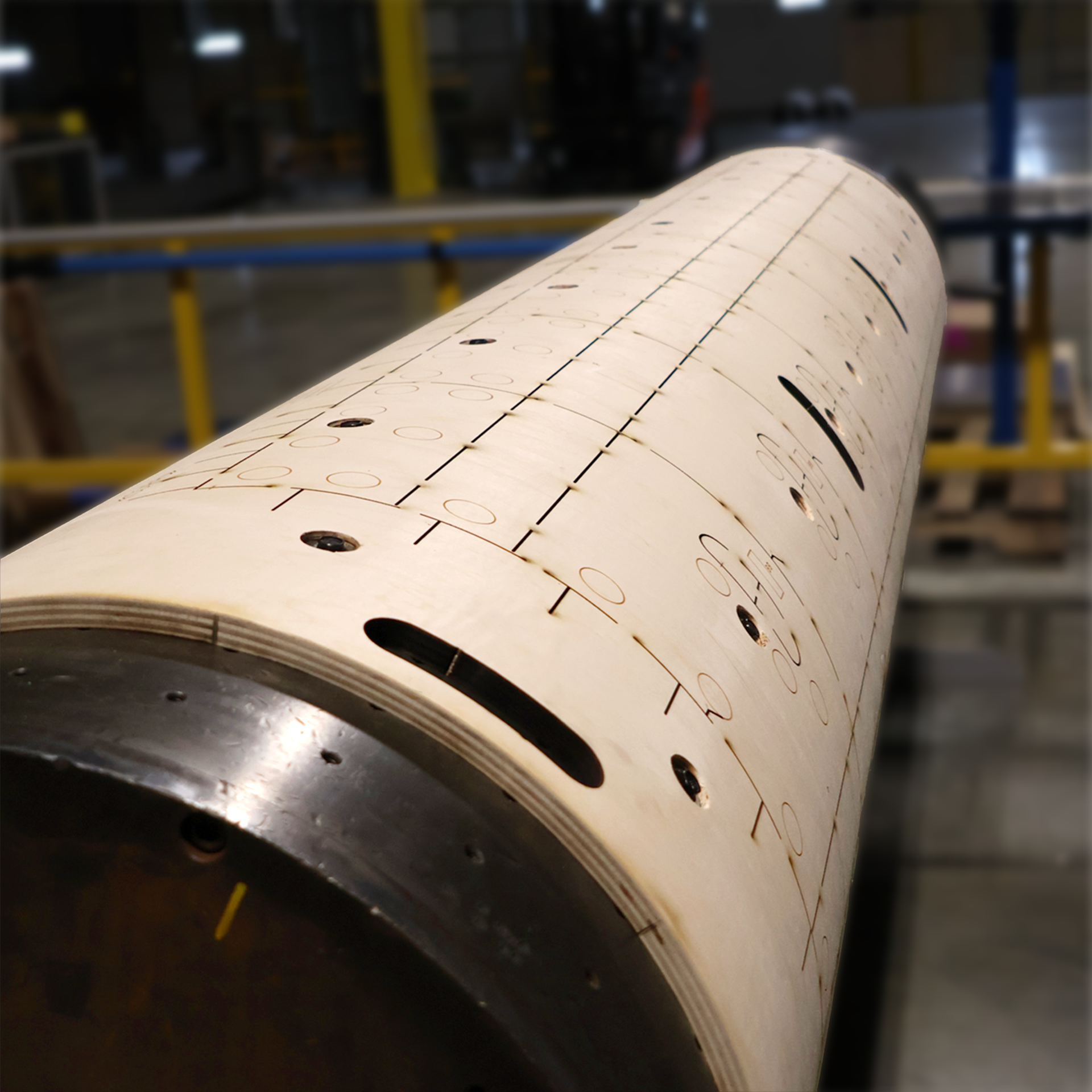
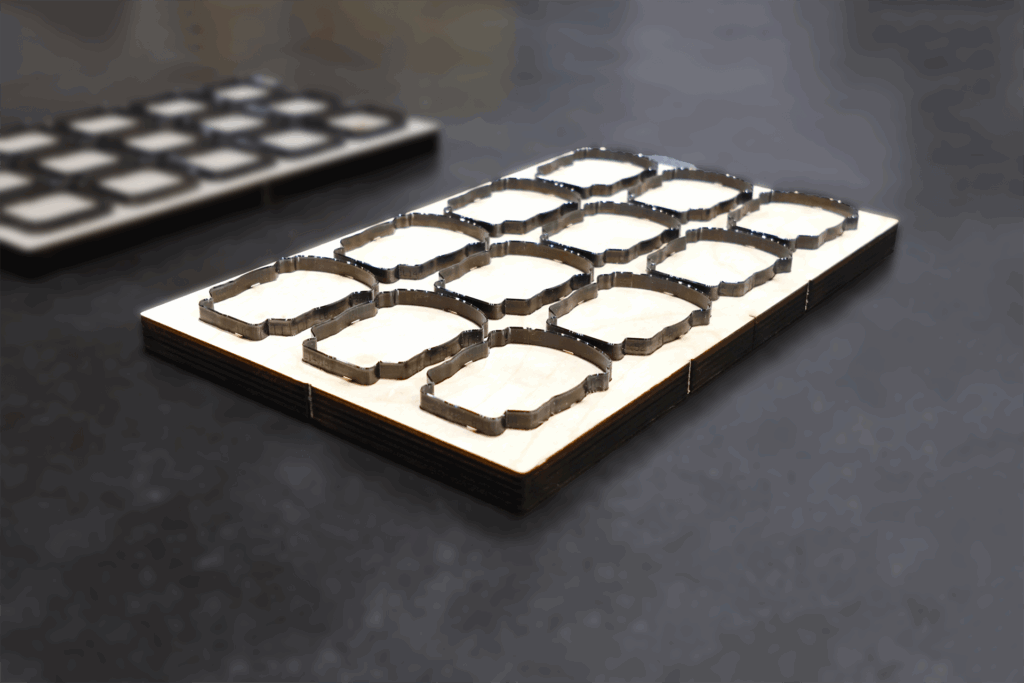
A steel rule die is a custom tool used to cut, crease, or perforate materials like paperboard, corrugated, foam, plastic, or rubber. Built using hardened steel blades (known as “rule”) set into a laser-cut wooden base or rotary shell, these dies operate like industrial-grade cookie cutters—only far more precise and durable.
There are two primary types of steel rule dies:
- Flat Dies – Used in clamshell or platen-style presses, these dies are ideal for sheet-fed jobs, small parts, and detailed shapes.
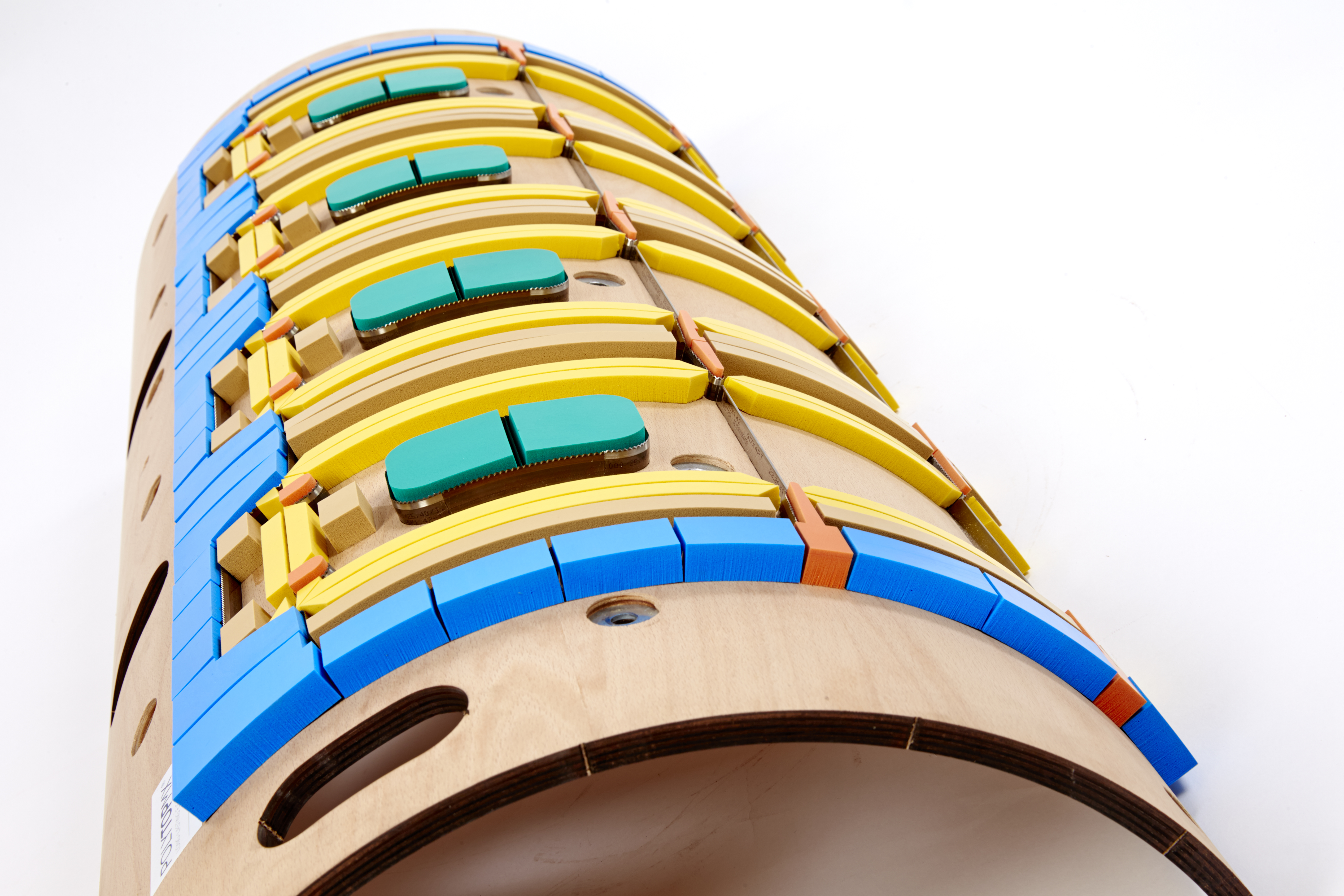
- Rotary Dies – Designed for high-speed, continuous-feed rotary presses, these cylindrical dies excel in corrugated and high-volume workflows.
Core Components of a Steel Rule Die
A high-performance steel rule die is a precisely engineered tool, not just wood and steel. Key elements include:
- Steel Rule (Knives): The cutting edge, available in different heights, bevels, and tooth profiles depending on material and job specs.
- Ejection Rubber: Strategically placed around the rule to eject cut pieces cleanly, reduce bounce, and maintain speed.
- Stripping Systems (Optional): Integrated features that remove waste automatically during the press run.
- Die Board or Rotary Shell: The base that provides structural stability and maintains tight tolerances.
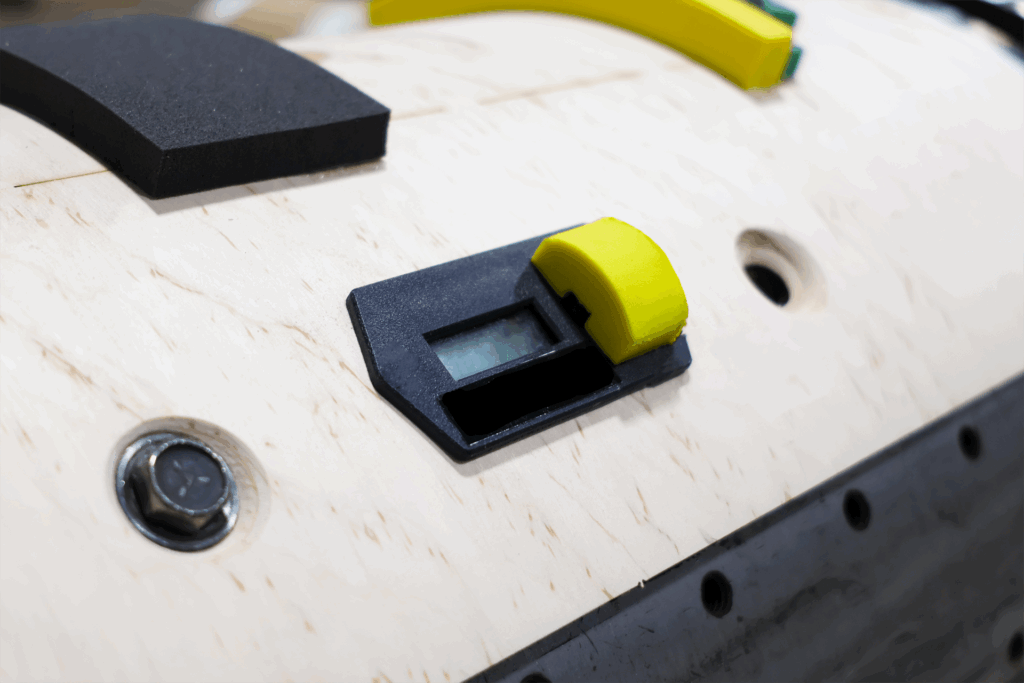
Upgrades like performance rubber, mechanical stripping, and digital die tracking can significantly enhance performance and throughput.
Why Die Quality Matters
A poorly built steel rule die can lead to:
- Inconsistent cuts
- Slower press speeds
- Excess scrap and waste
- Shorter tool lifespan
- More downtime for repairs
At Butler Brothers, we build steel rule dies with precision, attention to detail, and the long game in mind. Better dies mean fewer headaches on the floor—and better results for your customers.
Flat vs. Rotary Steel Rule Dies: Which Do You Need?
Both die styles serve different needs:
Flat Steel Rule Dies
- Best for short to medium runs
- Lower upfront cost
- Easier to repair or modify
- Ideal for detailed or intricate layouts
Rotary Steel Rule Dies
- Designed for long, high-volume runs
- Run best on flexo and digital finishing presses
- Excellent for corrugated and tough materials
- Higher speed, more automation-friendly
Choosing the right type depends on your press, run size, and material.
Maintenance and Lifespan
A well-maintained steel rule die can run for millions of impressions. Key maintenance tips:
- Keep dies clean and dry between runs
- Inspect for rule damage or loose rule after every job
- Check rubber compression and elasticity regularly
- Avoid over-pressuring or misaligning the die in the press
Partnering with a die shop that offers sharpening, repairs, and rebuilds adds years to your tools and ROI to your operation.
Innovation in Steel Rule Die Technology
Steel rule dies have evolved far beyond the basics. Today’s best die shops offer:
- Digital tracking systems for asset management and reordering
- PolyMX and CITO rubber options for better ejection and cleaner cuts
- Precision CNC rule processing for tight tolerances
- Eco-conscious recycling and waste reduction programs
- Fully engineered stripping systems that eliminate hand-stripping labor
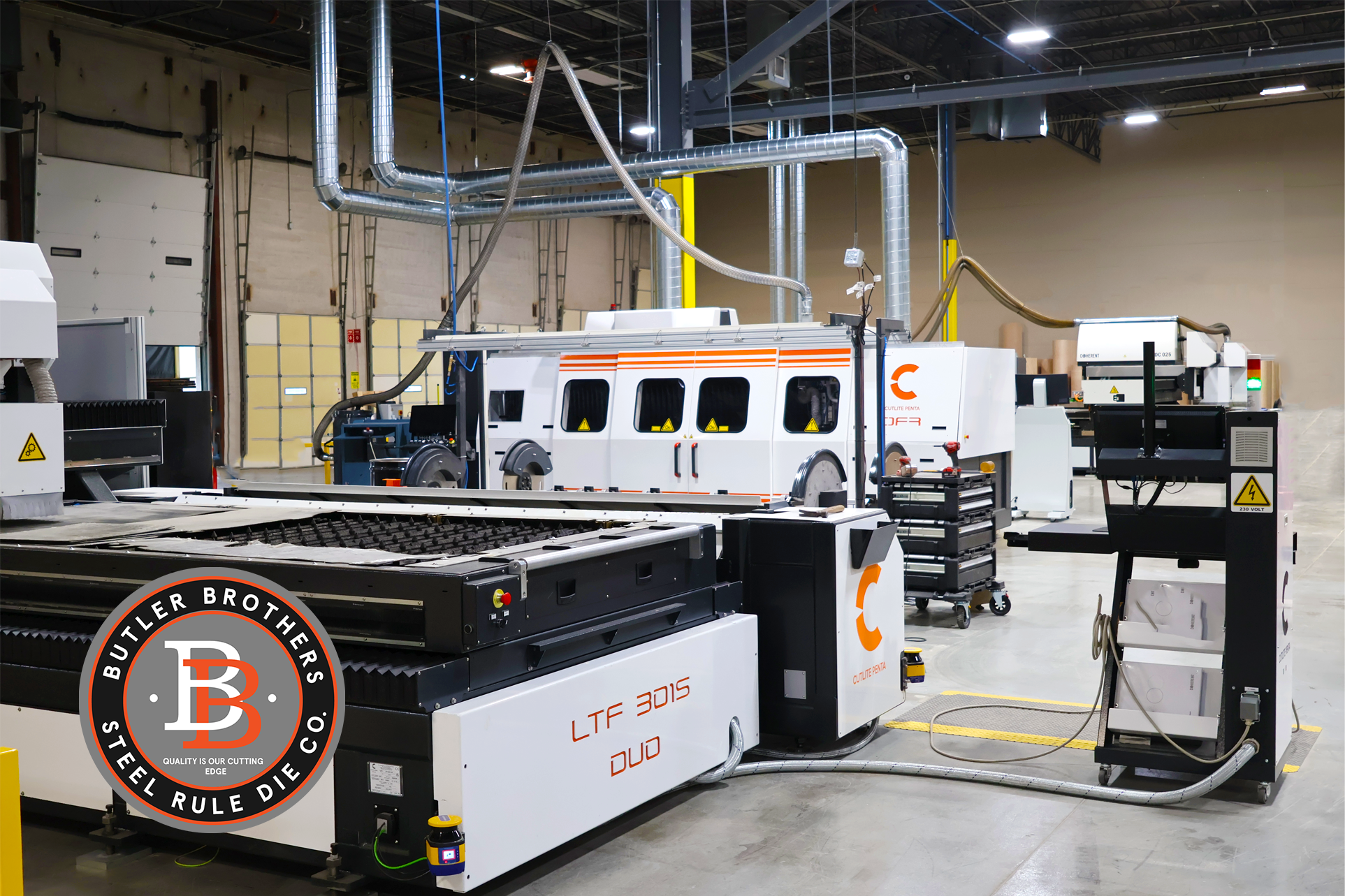
At Butler Brothers, we combine cutting-edge tech with hands-on craftsmanship to help our customers cut smarter, faster, and cleaner.
Final Thoughts
Steel rule cutting dies aren’t just tools—they’re production enablers. The right die can unlock faster setups, better cuts, less waste, and smoother press runs. Whether you need a high-speed rotary die for corrugated or a flat die for a specialty foam insert, what matters most is choosing a partner who understands your workflow and builds to meet it.
Need guidance on what type of steel rule die is right for your next job? Reach out. We’ll get you a real answer, real fast—no pressure, just smart solutions.